

Founded by Jenny Howard-Maxwell | Professional Certification in Strategic Experience Design
From Event Planner to Experiential Strategist
The industry standard for strategic competency in events and experiences.
Learn the strategy, language and framework needed to move beyond execution and qualify for higher-level experiential, brand and event marketing roles.
Built for event professionals ready to step into experiential strategy, brand activation and leadership-track roles.
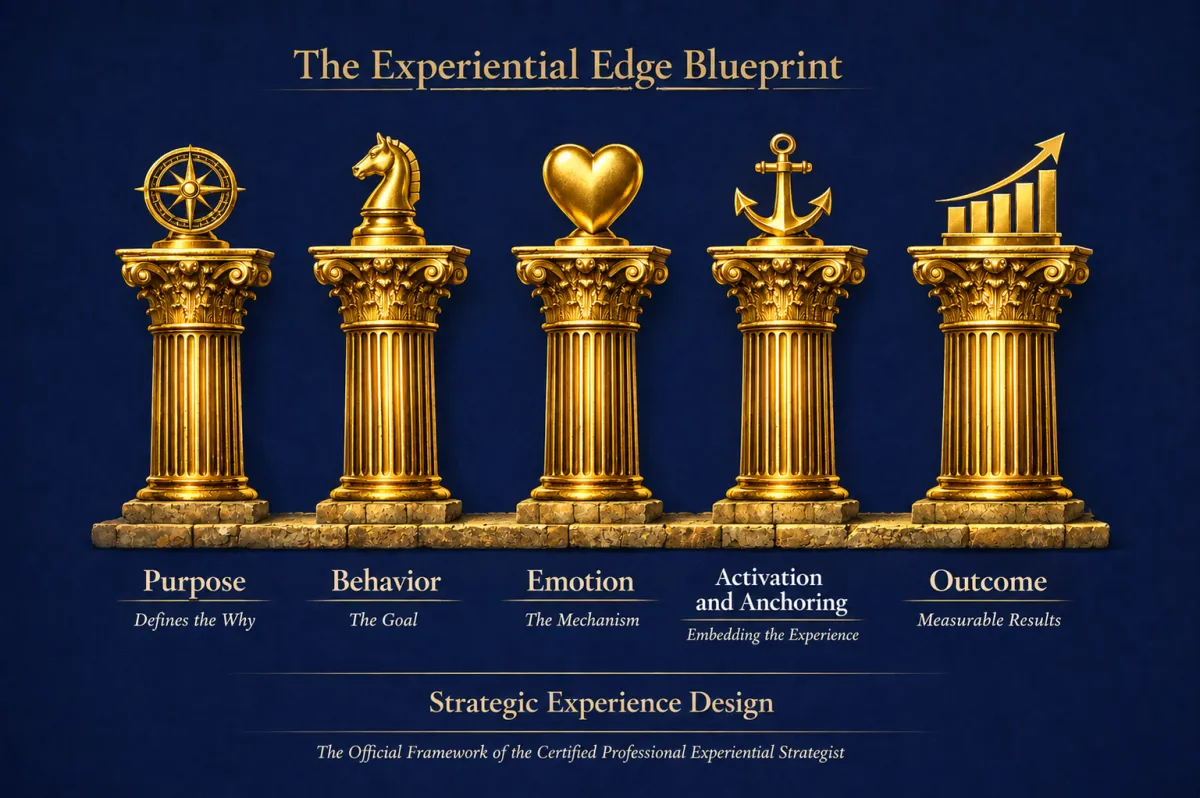
Five Pillar Framework
A proven model for strategic experience design.
Professional Credential + badge
Show your certification on LinkedIn, your resume, and your bio.
Built for Event & Experiential Pros
Created for event and experiential professionals ready to grow.
Planner to Strategist
Designed to help you move beyond execution and into strategy.
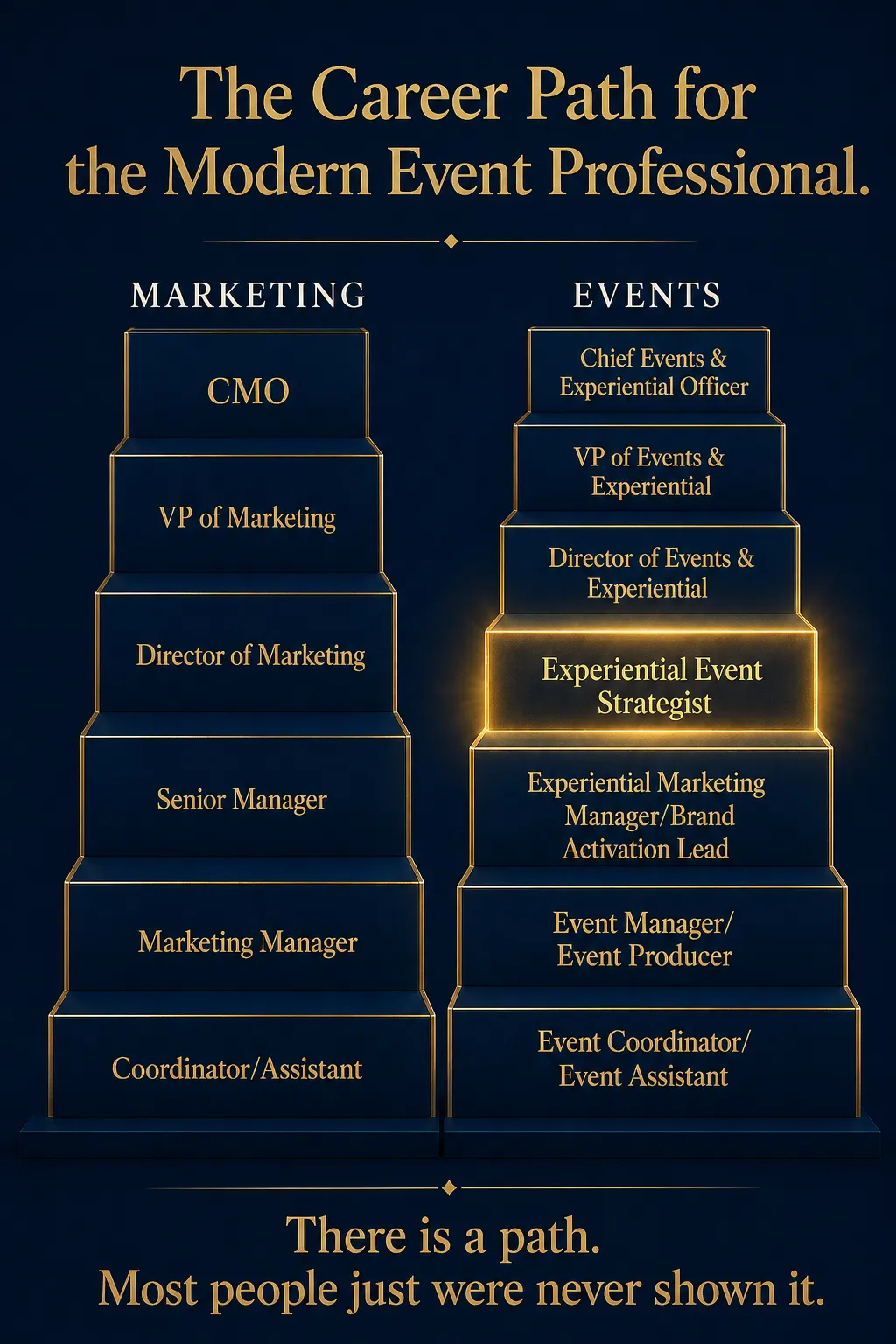
Most event professionals stay stuck in execution roles not because they lack talent, but because no one showed them the strategic path forward. CPES helps you see that path and step into it.
What Event Professionals are saying about CPES
"More than confirmed"
"CPES fundamentally changed the way I think about experiences and how I show up in this industry."
Emily Bennett, CPES
Business Development
Colorado

"More than confirmed"
"The Edugucation Institute’s framework did more than confirm what I was already practicing. It elevated it. I had been seeking an authority reference, and this program delivered."
Aurora Maier, CPES
Lost Coast Getaways
California
"The structure and vocabulary to articulate"
"The CPES certification gave me the structure and vocabulary to articulate what has always guided my approach to experiential strategy. I'm proud to now hold the CPES designation and grateful for the recognition of the work that brought me here.""
Glenda Ann Robertson, CPES
St John's Canada
"1000% worth every penny"
“This was not easy, but it was 1000% worth every penny. I gained more from this training than I did at the Las Vegas MBA. Once I committed, it changed how I show up in this industry.”
Joshua Pennebaker CPES
Something Amazing Events
Colorado
You Have hit the planner's glass ceiling
You're excellent at execution but tired of not being able to prove it
You want a seat at the strategy table not just the planning table
You're ready to stop hoping leadership sees your value
You want a credential that reflects the level you're already operating at
You're ready to design experiences with measurable ROI
You want to charge more, win better clients and be seen as a strategist
The five-pillar framework behind
experiential strategy.
CPES teaches the practical model for moving from event execution to strategic experience design.
Ready to move from event planner to
experiential strategist?
CPES gives event and experiential professionals the framework, language, and credential to step into more strategic roles.

Copyright 2026 The Edgucation Institute. All Rights Reserved.